Integration starts with the process, not the tool.
i3tdm understands how your operation works, identifies where systems leave gaps, and implements integrations and automations with technical control, clarity, and follow-through.
When systems do not talk to each other, the operation compensates manually.
An order arrives through WhatsApp or phone, passes through the ERP, turns into a spreadsheet for checking, goes back to someone who updates the CRM, and only then appears in the report. Each manual handoff seems small until it creates status doubts, registration errors, approval delays, or history lost in scattered messages.
The problem is rarely a single tool. It is usually the path between them.
Understand where my operation gets stuck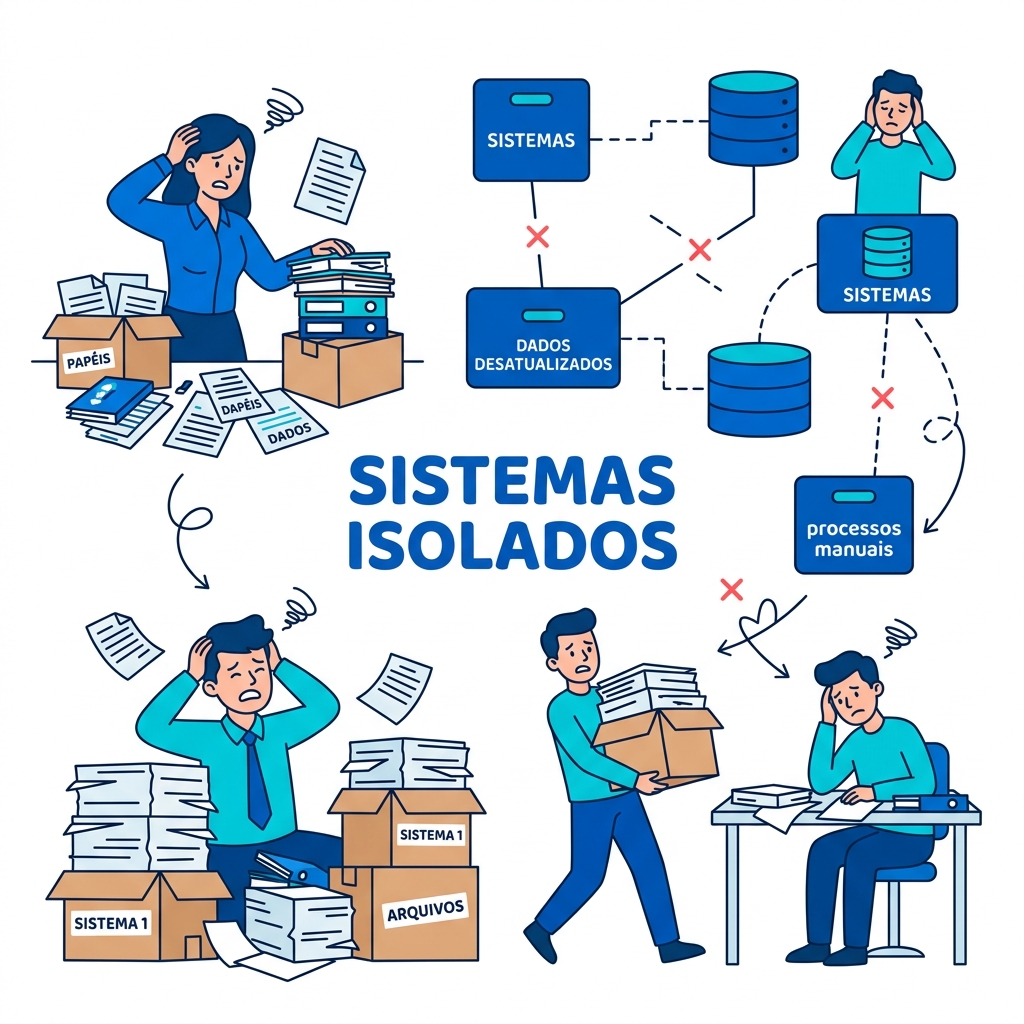
The flow without integration
Isolated tools cause rework and loss of history.
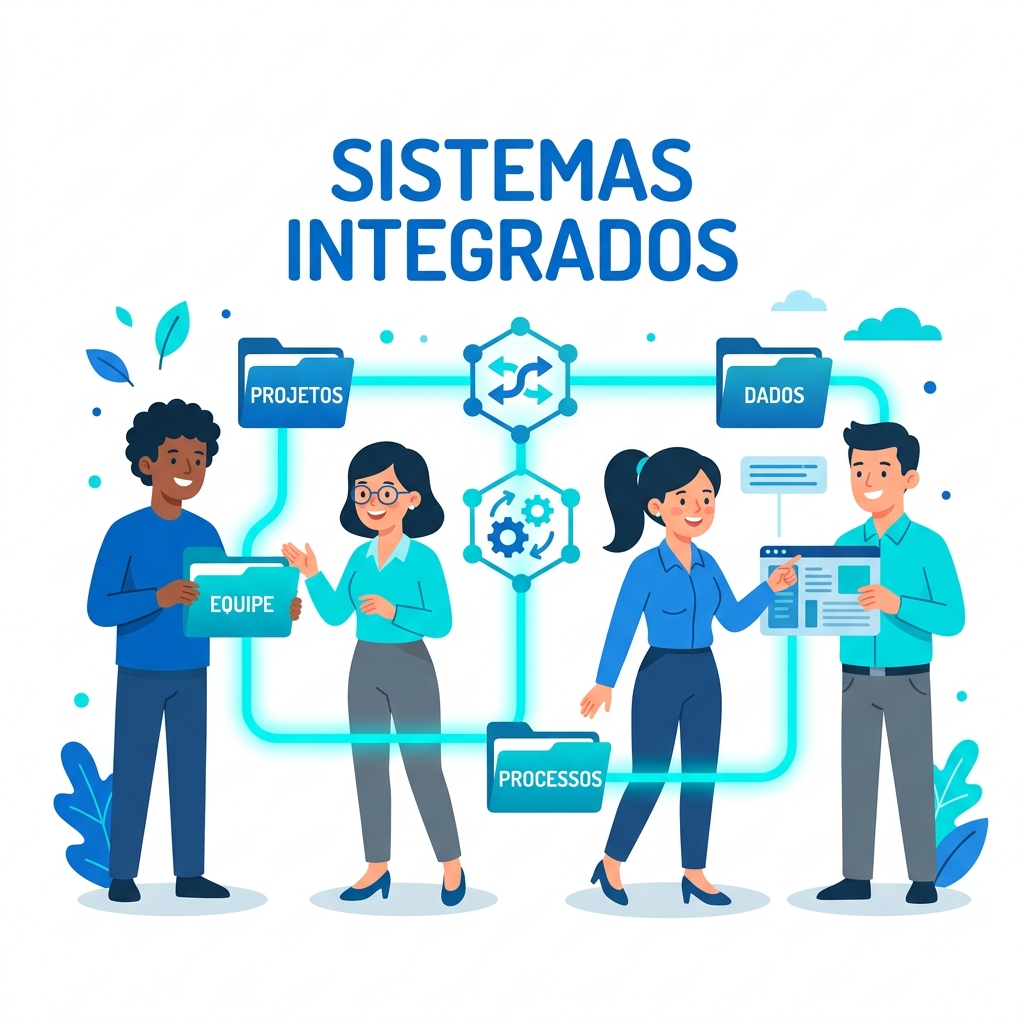
What can change
Systems communicating in real time through a centralized hub.
For companies that already have systems, but still rely on manual shortcuts.
i3tdm makes sense when the operation has grown, tools have multiplied, and the team has started holding the flow together with checks, spreadsheets, and workarounds outside the system.
Systems and spreadsheets do not align
ERP, CRM, and spreadsheets keep different information about the same process, and someone has to check whether everything matches.
The operation depends on manual checking
Orders, approvals, files, or statuses only move forward after someone validates each step one by one.
Managers cannot see the full flow
It becomes hard to know where a request stopped, who changed something, and what is still missing to complete it.
Customer handling happens outside the flow
Messages, calls, and requests are spread across WhatsApp, phone systems, CRM, and parallel controls, making history, status, and continuity harder.
Your company does not need to replace everything. It needs to connect what already exists more effectively.
The work starts from the real process: systems already in use, data that needs to circulate, rules that cannot be broken, and the points where the operation needs visibility.
Integration
APIs, ERPs, CRMs, and centralized data
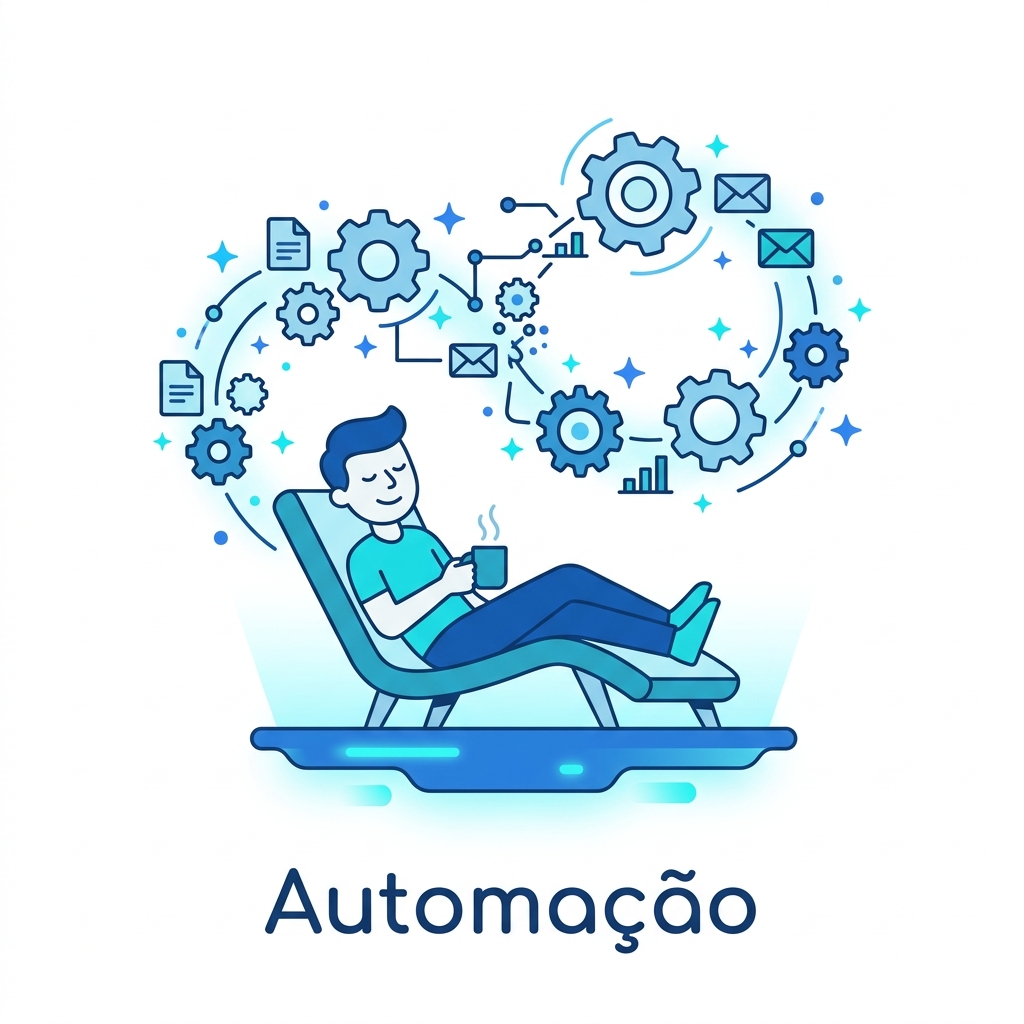
Automation
Predictable pipelines for manual routines
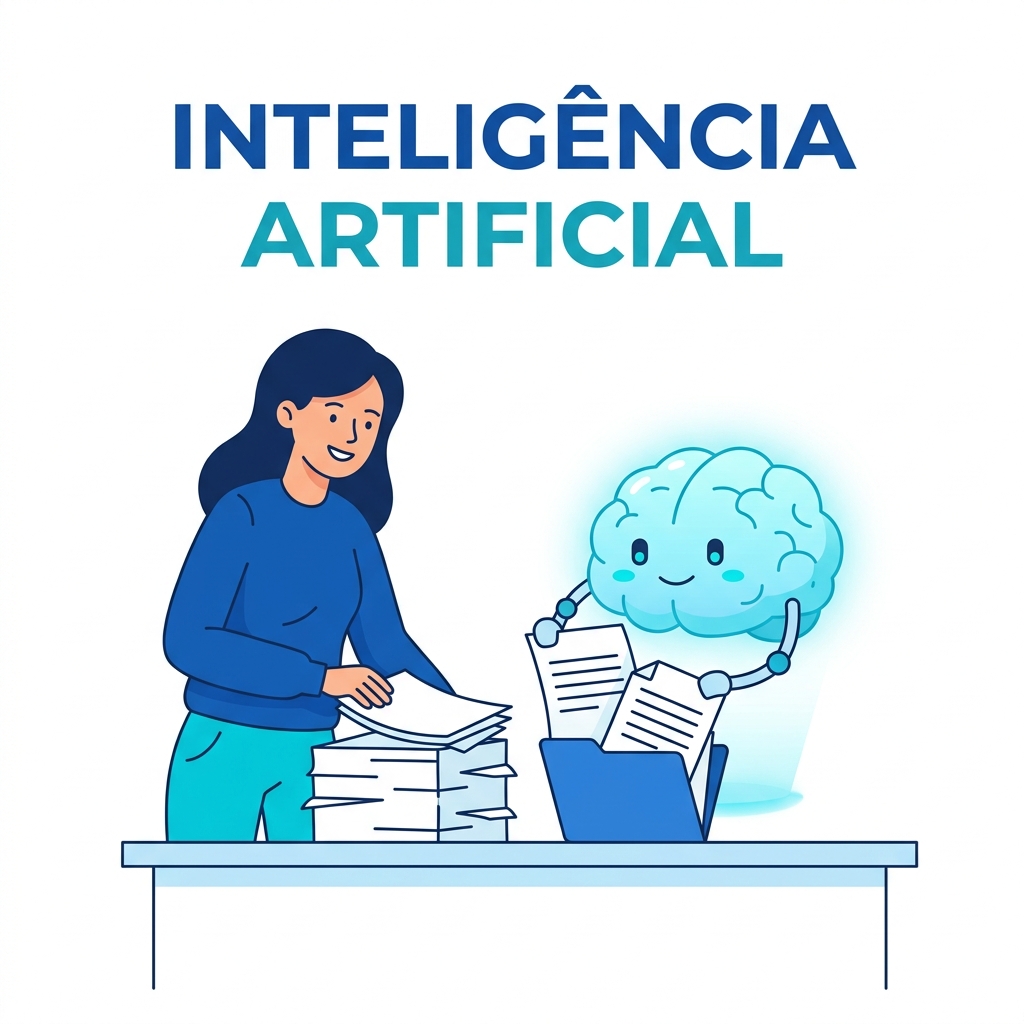
Intelligence
AI assisting where repetition and volume slow the team down
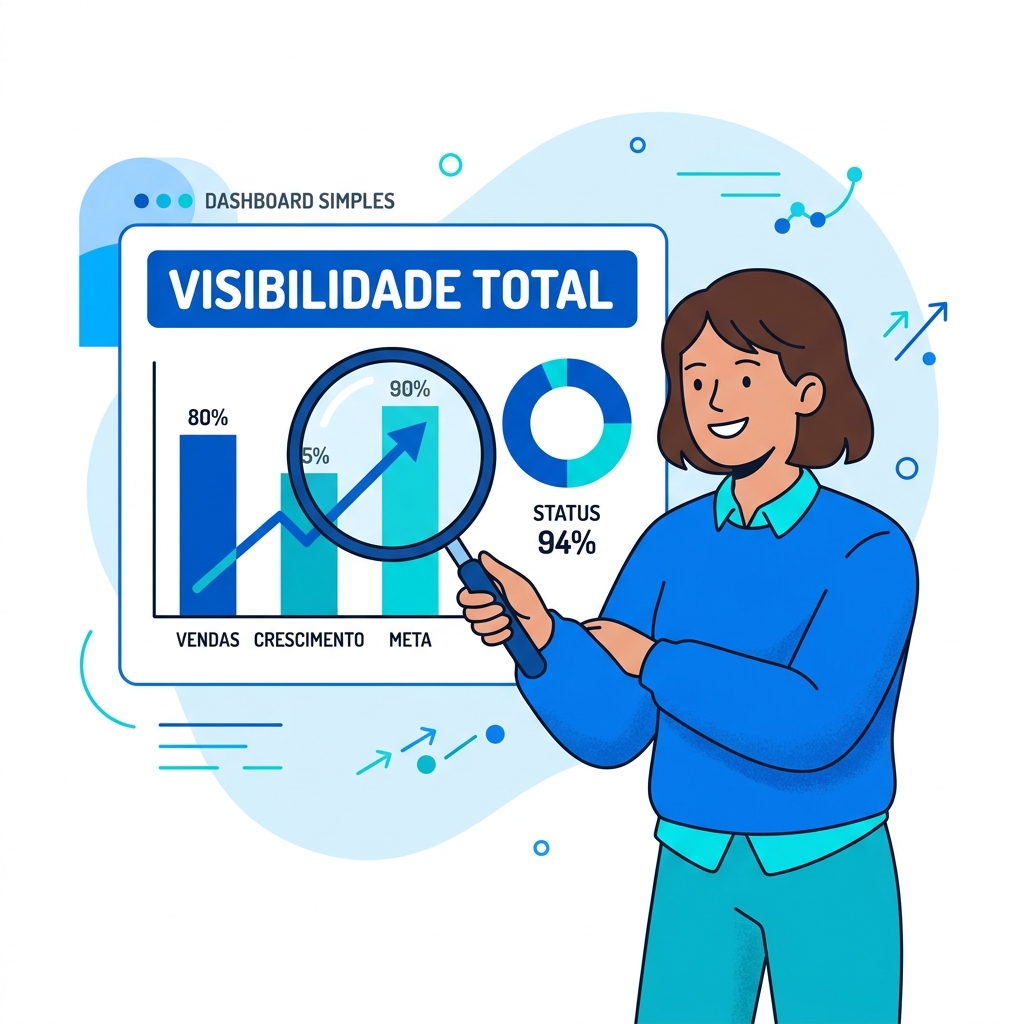
Control
Real-time metrics and operational alerts
Systems and channel integration
We connect APIs, databases, ERPs, CRMs, WhatsApp, telephony, and internal systems so critical information moves with context between teams.
Process automation
We remove predictable routines from the manual queue: checks, approvals, alerts, file generation, and status updates, always with clear rules and manageable exceptions.
Applied AI for operations
We apply AI where it truly helps the operation: document reading and classification, message triage, service summaries, and decision support with human validation.
Diagnostic and flow architecture
We map the flow, systems, owners, and risks before proposing integration or automation. The goal is to know what needs to change, in what order, and with what controls.
Integration starts with understanding the process, not with the tool.
Understand the operation
We map systems, inputs, outputs, owners, exceptions, and the points where the flow still depends on manual intervention.
Design the flow
We define how information should circulate, which validations are necessary, where decisions should be recorded, and how failures should be handled.
Integrate, automate, and follow through
We implement connections, automations, logs, and alerts, then follow real usage to adjust what the operation reveals.
Trust comes from the way the work is conducted.
i3tdm does not start from a preselected tool or automate a flow that has not been understood yet. The project needs to make clear what will be connected, why that decision was made, and how the operation will be protected when something goes off script.
- Diagnostic before solution.
- Technical decisions recorded.
- Flow and integration documentation.
- Validation before automating critical steps.
- Exception handling, logs, and alerts.
- Clarity about limits, dependencies, and next steps.
i3tdm does not start from a preselected tool. Get to know our working method, principles, and what we don't do.
How i3tdm works →Want to understand where your operation loses control between one system and another?
Tell us which tools your company uses and where the flow gets stuck. i3tdm evaluates the scenario and points to a viable technical path, without requiring you to arrive with the solution already defined.
Describe my scenario