principle
Diagnostic before solution
Map the flow, systems, owners, and risks before proposing any integration or automation.
The work starts from the real process: understanding how information circulates, where it still depends on someone to move forward, and which points create doubt, delay, or loss of control. From that understanding, i3tdm proposes integrations and automations with technical follow-through and recorded decisions.
i3tdm was founded by Luan Monteiro, who has over 15 years of practical experience building solutions, leading technical teams, and architecting high-availability systems for critical environments (telephony, messaging, and native integrations).
The company emerged from a simple realization: most operational problems aren't caused by a lack of software, but by how systems connect. We bring the background of someone who has solved deep integrations to work closely with you, understanding your operation before suggesting a tool.
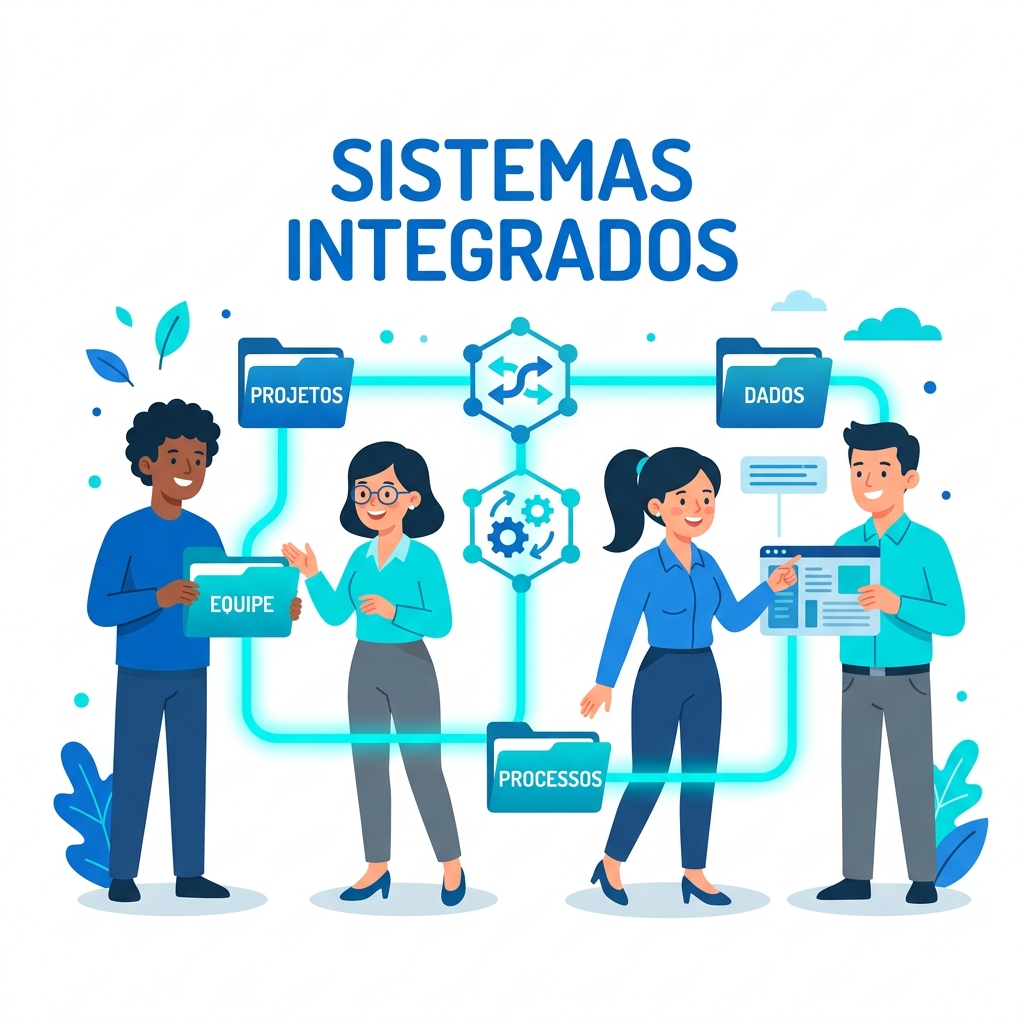
There is no ready-made recipe. Every operation has different systems, rules, exceptions, and people. The method adapts, but it follows principles that do not change:
Map the flow, systems, owners, and risks before proposing any integration or automation.
Every architecture, prioritization, or risk decision is documented so the team understands why and can evolve it later.
Sensitive flows go through human validation and follow-up before running on their own.
Every automated integration has execution records, failure alerts, and a correction path.
The project makes clear what is in scope, what depends on third parties, and what the next steps are.
After implementation, real behavior is monitored so the solution can be adjusted based on what the operation reveals.